
Hey, I’m Maria Waqar, a Pakistani desi girl currently studying MSc Pharmaceutical Science in the University of Surrey, and honestly, I didn’t just move countries… I brought an entire food culture with me. Growing up in a big desi family, food was never “just food” it was an event, a reason, a celebration. Back home, we live by the saying “Humary Khany Humary Tehwar” which actually means “Our Foods, Our Festive Traditions”. Our food is our social life and trust me, we take that very seriously. Dawats for the smallest excuses, tables full of flavour, and homes always open with that loud, warm, hospitable energy…. That’s literally part of who I am.
So of course, when I packed my bags for this international study journey, being a full-on Pakistani foodie came with me. I love hosting, going out, socialising, and most importantly, eating food that tastes like something rich, aromatic, and the kind that makes your mouth water before you even take a bite. But here’s the reality: recreating those full-course, desi style food experiences on a student budget in the UK? That’s been a journey of its own. And not always an easy one.
Let’s talk food first, because for me, that’s non-negotiable. If you’re from Pakistan, you already know bland food just doesn’t cut it. The good news? I quickly realised that cooking for myself wasn’t just cheaper it was the only way I was going to enjoy what I eat. But this didn’t just magically happen. It turned into a whole journey of figuring things out, building meal plans, making proper grocery lists, budgeting every trip, and even exploring the town like I was on a mission to find the best grocery spots.
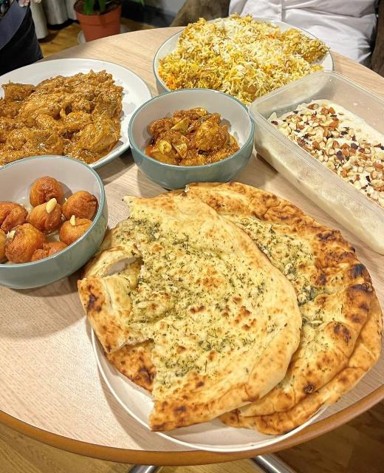
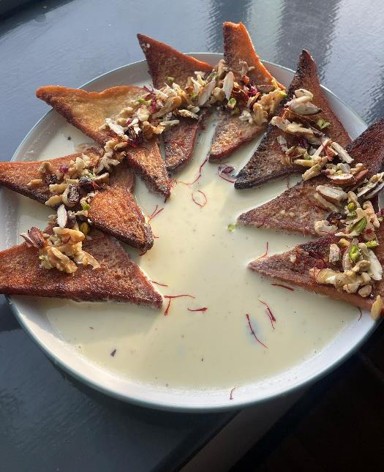
One thing I carried from home, though? My recipes. My mum basically downloaded them into me like every other Asian mum does, so now cooking feels less like a chore and more like muscle memory. Late-night cravings hit different here and somehow, I’ve become the kind of person who will make biryani at midnight just because I miss home or I’m in the middle of a full emotional spiral. And honestly? That’s my new forte.
Finding the right ingredients was a journey. I started exploring local Asian supermarkets and quickly realised, they were a game changer. From halal meat to proper spices that actually taste like something, everything is not only available but often cheaper than big supermarket. I’ve learned to hunt for deals, compare prices, and buy smart especially when it comes to bulk items like rice, lentils, and flour. At this point, my kitchen is basically a full-on “desi survival kit,” and I wouldn’t have it any other way.

Meal prep has honestly been a lifesaver in this whole journey. I’ve learned that cooking in batches isn’t boring, it’s kind of smart. Making a big pot of curry and storing it properly means I’ve always got something ready on those busy or low-energy days. One of my best hacks? Marinating chicken in advance with all the spices and storing it in Ziplock bags saves time and effort plus somehow makes everything taste even better…. And let’s be real, cooking doesn’t always have to be a solo task. Cooking with friends!!!!! Elite. You split the cost, share the workload, and suddenly it turns into a whole social event with food, laughs, and warmth of home away from home.
Coming from a background where every other day felt like a mini family festival, adjusting my social life here was definitely a shift. Back home, gatherings were constant food, people, noise, and that comforting chaos. So naturally, I tried to carry that energy with me. But speaking of social life, this is where things can get expensive fast. Eating out all the time, takeaway culture, random late-night plans… it adds up. I had to be real with myself and start choosing wisely because not every plan is worth your money.
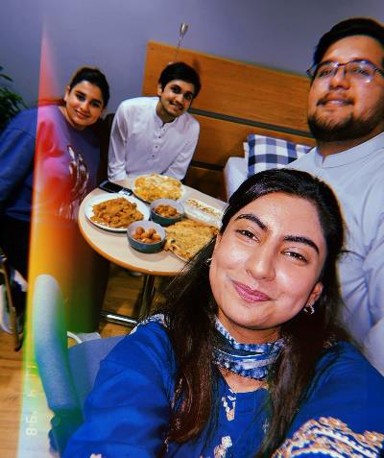
Instead, I found my own version of those “everyday celebrations” with my international friends. We started doing more low-budget hangouts that still felt just as special. International-style dinners became a regular thing everyone brings a dish from their countries, and suddenly you’ve got different cultures sitting on the same table. Chai nights, UNO card games, and long conversations about stories back home turned into our new normal. And honestly? It hits different when everyone brings a little piece of their home into the room.
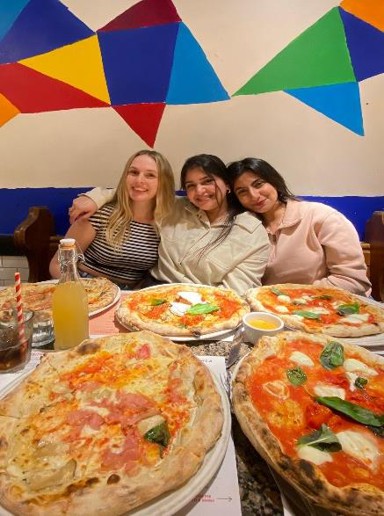
When we do go out, I’ve learned it’s all about timing, deals, and just being a little smarter with it. Student discounts are literally everywhere if you actually look, lunch deals, apps, vouchers they make it a fun different experience. At this point, that’s not a choice, it’s a financial strategy.
But beyond all of that, I’ve realised something deeper, it’s really about balance. You don’t have to give up good food or a social life, especially when food is such a huge part of who you are. You just have to move differently, ‘cook more, share more, and spend on the moments that actually mean something’. Because being a Pakistani student here isn’t just about adjusting, it’s about carrying a whole culture with you. Every meal you cook, every gathering you host, every chai night you share, it’s a piece of home you’re keeping alive. And in the middle of all the budgeting and planning, that feeling? That’s honestly priceless.
Glossary:
- Desi: refers to people, culture or products originating from South Asia (i.e., Pakistani,
- Bangladesh, India)
- Humary Khany Humary Tehwar: Our foods, Our festive traditions
- Dawats: Feasts
- Chai: South Asian tea
