
It feels strange to say that I’ve completed my Mechanical Engineering degree. For the past three years, my life revolved around lectures, coursework, lab sessions, deadlines, group meetings and countless sleepless nights while trying to finish one last report. Looking back, I realise that university wasn’t simply about earning a degree, it was about gradually learning how to think, solve problems and approach challenges like an engineer.
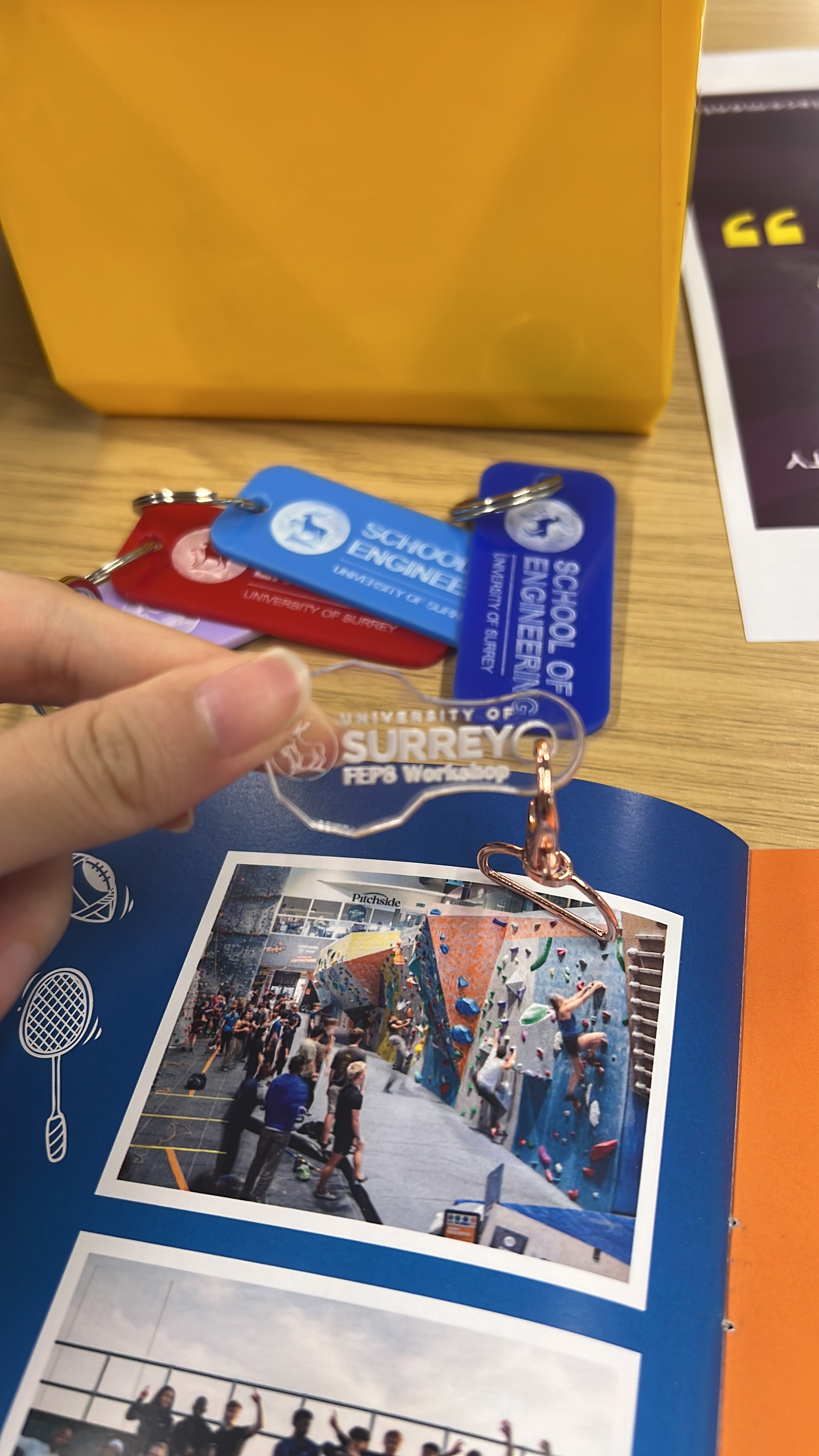
When I first started university, everything was new. The transition from school to university was bigger than I expected, especially in a different country. First year was all about building a foundation where my timetable was packed with lectures, tutorials and laboratory sessions covering mathematics, mechanics, thermodynamics, manufacturing, programming and design. Every week, I was introduced to new concepts, lecturers saying forget everything you’ve learnt before as it’s too simplified and sometimes it felt like there was too much to absorb. Looking back now, I realise the goal wasn’t to memorise every equation, but to build the fundamentals that every engineer relies on. Learning the concept behind the formulas and equations helped understand the problems better.
As I went into my second year, the nature of learning began to change. Instead of treating each module as a separate subject, I started seeing how everything was connected. Concepts from one class appeared in another and assignments became less about finding the correct answer and more about applying knowledge to solve real engineering problems. Not only that, there were more group projects, which meant learning how to communicate ideas, divide responsibilities and working with different perspectives. Some of the most valuable lessons weren’t taught during lectures but through collaborating with teammates and learning how to navigate challenges together. I would say I bonded with more of my coursemates by struggling in group projects and staying till late to fix a problem with my groupmates.
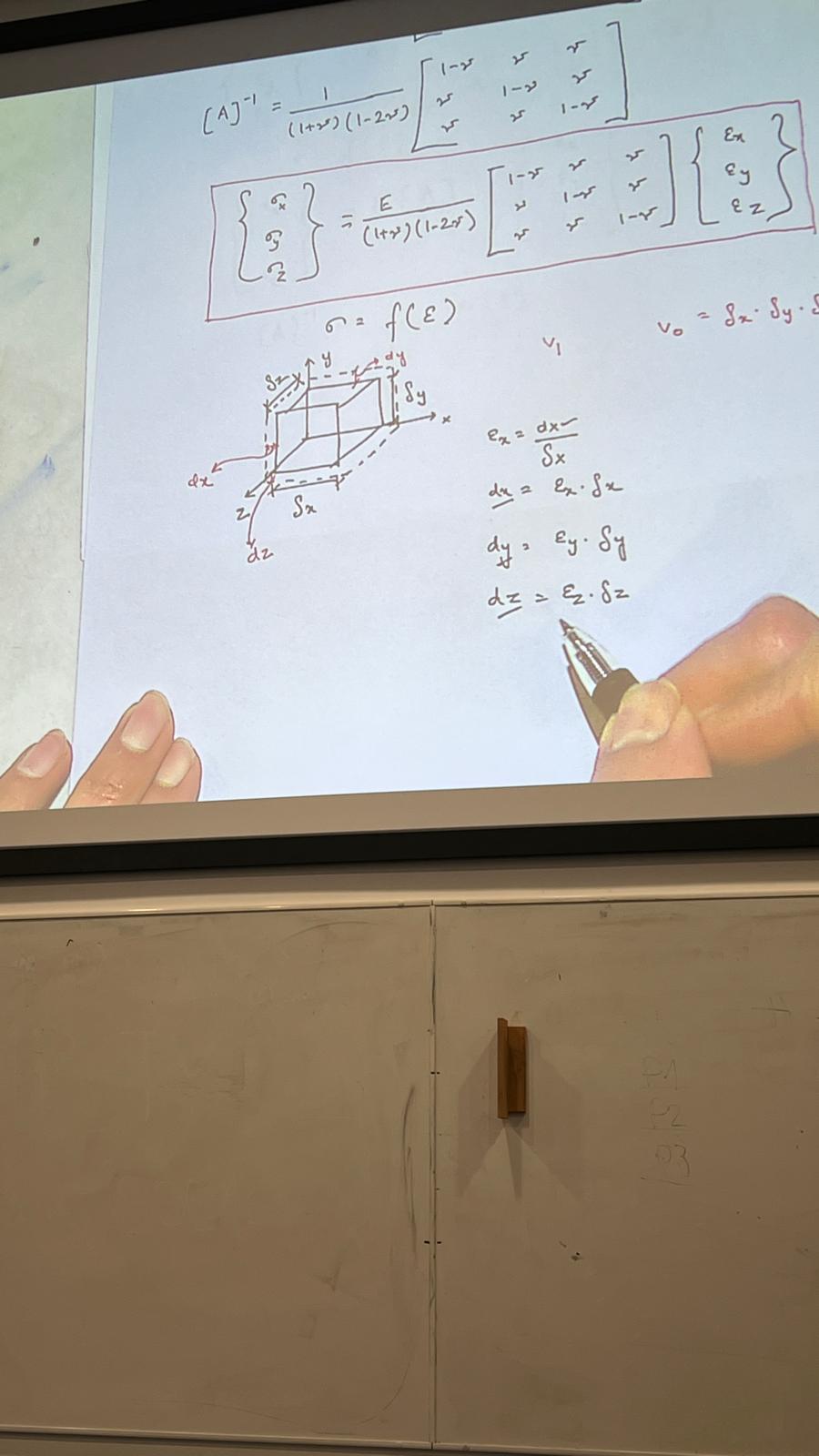
By the final year, there were fewer lectures but the workload certainly didn’t decrease. Instead, much of my time shifted towards project meetings, independent research, reading journal papers, writing reports and discussing ideas with supervisors. The classroom became only one part of the learning experience, while libraries, study spaces, laboratories and meeting rooms became where most of the real work happened.
One of the biggest changes throughout the degree was learning how to become an independent learner. Lecturers would introduce concepts and provide guidance, but it was ultimately my responsibility to explore topics further, search for reliable sources and understand how to apply what I had learned. Engineering isn’t a discipline where every problem has a model answer, but there are multiple possible solutions, each with its own advantages and trade-offs. Learning to justify decisions became just as important as arriving at an answer.
The projects throughout the course were probably the most rewarding part of the degree. They challenged me to bring together knowledge from different modules while developing practical skills that can’t be learned through lectures alone. From brainstorming ideas and designing solutions to testing, analysing results and presenting our work, every project reflected what engineering looks like outside the classroom. They also taught me patience as things rarely worked perfectly on the first attempt and learning to troubleshoot problems became part of the process rather than a sign of failure.
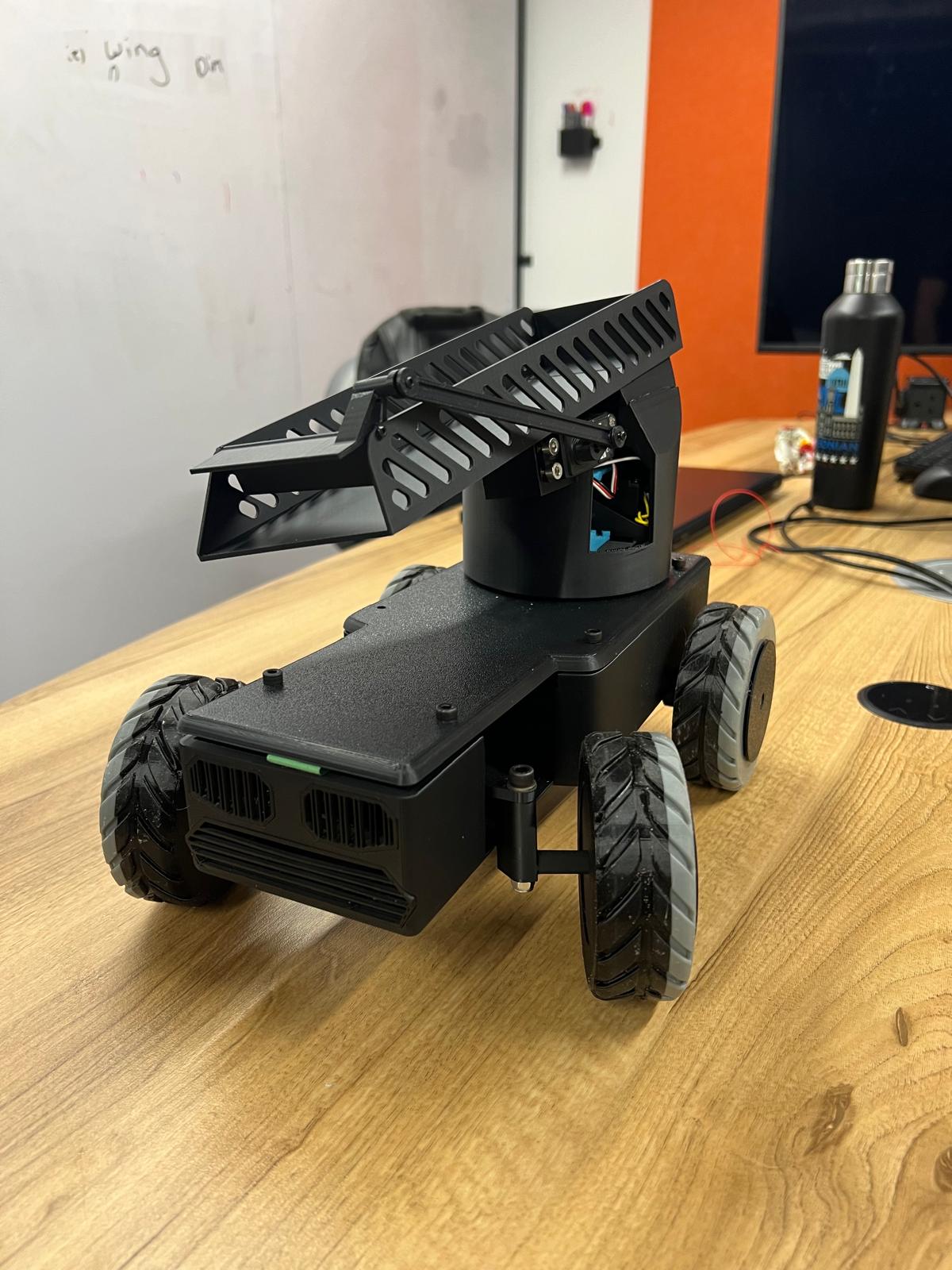
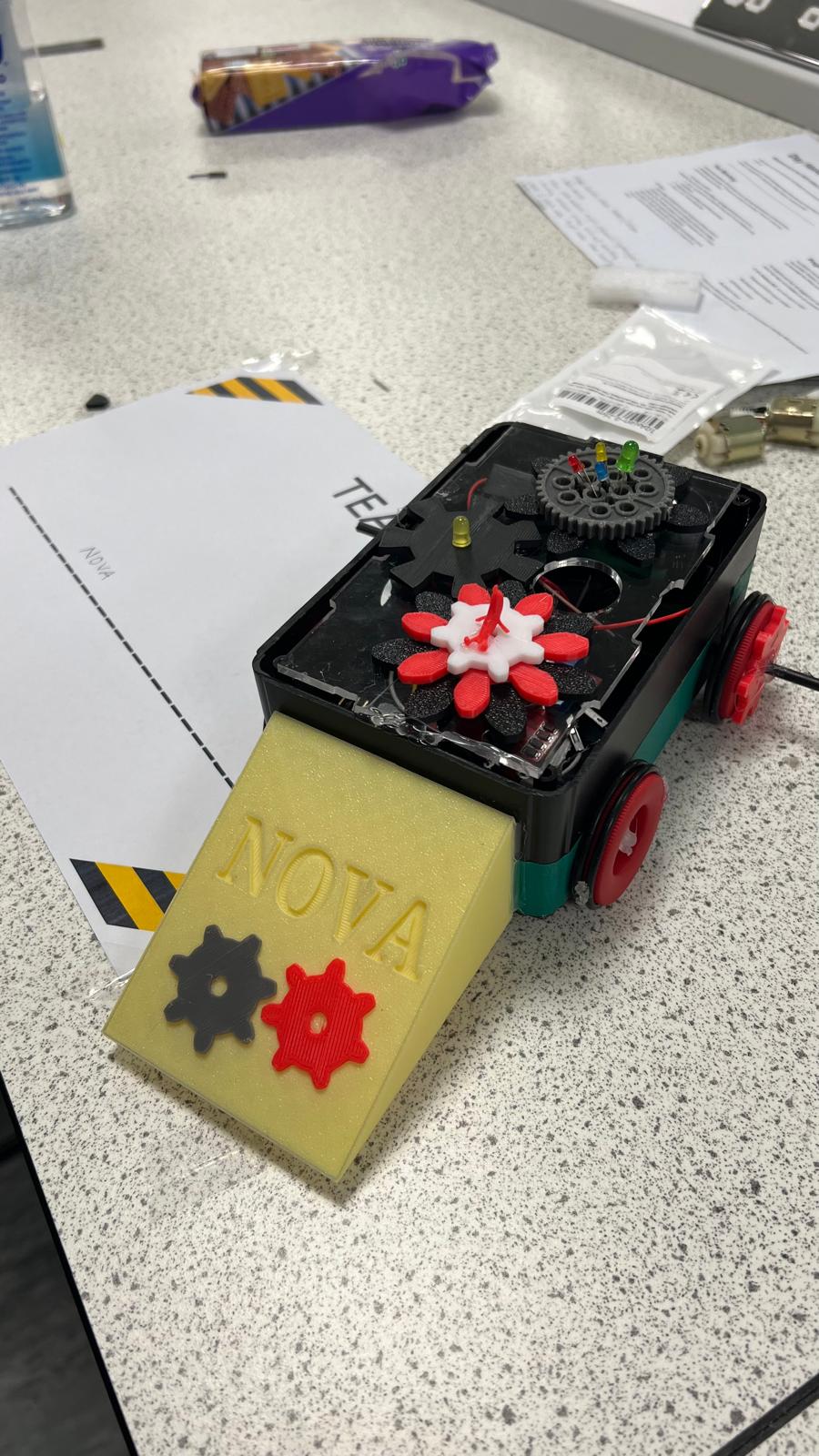
Alongside the technical knowledge, university also helped me develop skills that will remain valuable regardless of where my career takes me. Writing technical reports, delivering presentations, managing deadlines, working within a team and communicating complex ideas clearly became regular parts of university life. These weren’t always the skills I expected to develop when I chose Mechanical Engineering, but they have become just as important as the technical knowledge itself.
Looking back, I realise that my understanding of engineering changed significantly over the past three years. At the beginning, I thought engineering was about calculations, formulas and finding the right answer. Now, I see it as a way of thinking, approaching problems logically, working collaboratively and continuously learning. The equations and theories provide the tools, but curiosity, resilience and adaptability are what allow engineers to make those tools meaningful.
As this chapter comes to an end, I leave university with much more than a degree. I leave with friendships, unforgettable projects, lessons learned from both successes and setbacks and a deeper appreciation for the profession I’ve chosen. These past three years have challenged me academically and personally, and while there were certainly moments of stress and uncertainty, I wouldn’t trade the experience for anything.
To anyone beginning their own engineering journey, embrace the challenges, ask questions, and don’t be discouraged when things don’t work the first time. Some of the greatest lessons come from the moments that test you the most. Before you know it, you’ll look back and realise how far you’ve come, not just as a student, but as a person.
