
The doctoral research journey is unique to everyone. However, the most enjoyable aspect is the complete control and freedom over one’s time.
In the Surrey Business School, most of us work from home. Some because they commute and others simply prefer the flexibility. The rest who choose to work from the office (basically a room where everyone has a designated desk to work out of), would typically spend time 0900-1700 over the weekdays. This is subject to change depending upon what everyone is aiming to accomplish.
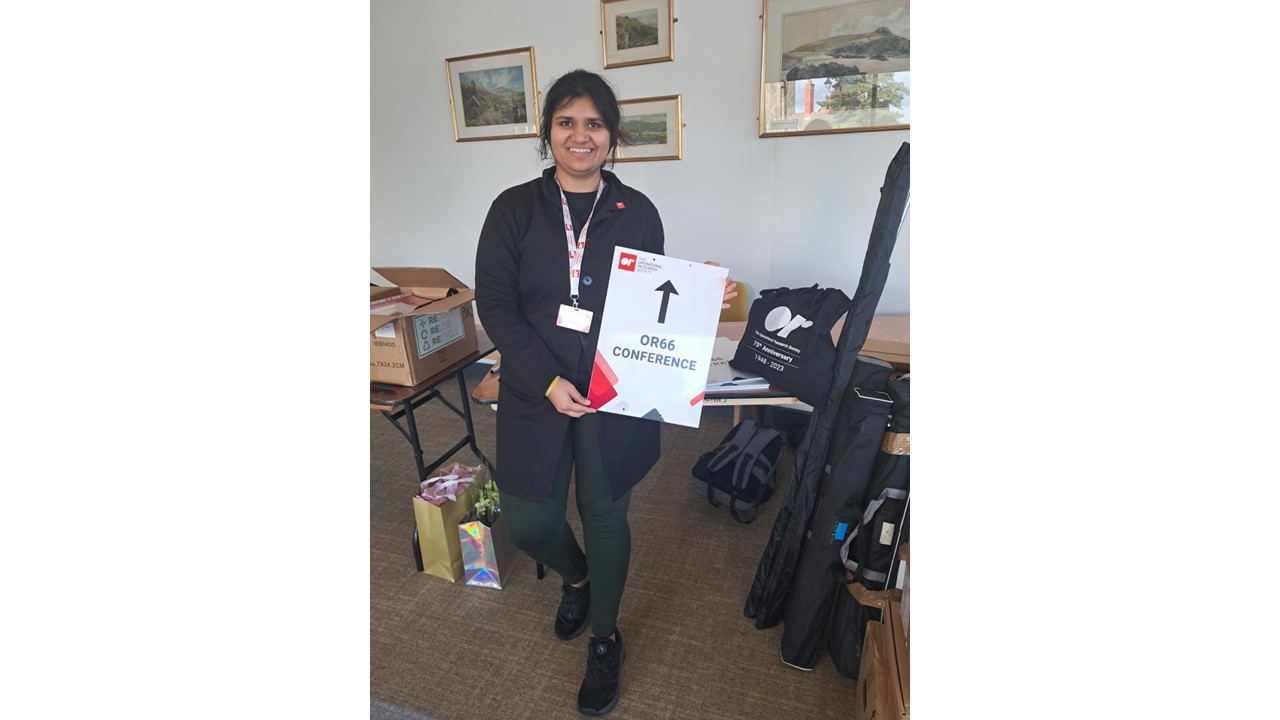
Most of us also work alongside our studies to help with finances and to gain international experience. So, some may be undertaking teaching responsibilities or assisting with demonstrations (lab assistance) during the day or other job roles.
We tend to focus on drafting either the confirmation report (if in our first year) or the thesis (in the proceeding years). This involves reading and assimilating a lot of literature available in different databases, books from the library or even undertaking field work to collate and acquire data. Learning and brushing up previous software knowledge can also take up part of the day’s activities.
Post the analysis and sense of what the literature’s trend is, researchers undertake the task of writing down their findings for the necessary report/thesis. This can be an ongoing task with various back-and-forth from the supervisory team. Several options of academic writing support can be reached out to via the library, the Doctoral College and are offered through specific modules. I have sat in on some of the hard skill-specific Operations Research modules and have enjoyed them.
Personally, I choose to have more marathon writing sessions over the weekends/nights/holidays as it eliminates any distractions. Mostly working from home on campus or from the library I prefer quiet focused times. The writing retreats (which can be booked via SITS) offer a good opportunity when needing community support for writing too. Wednesdays are usually when I work for a couple of hours in the library offering Maths and Statistics advice (recommended Maths and Statistics Advice (MASA) | MySurrey student website | University of Surrey), alongside some ad hoc virtual work, mentoring school children to build a career in STEM.
Most of my days are absorbed in reading and editing writing work, while also exploring software (for a headstart book via Help Sessions) and new Operations Research applications to business challenges. Typically, my supervisory team and I meet once a month and in the interim I am busy addressing any of their inputs. Generally when any issues occur I use the vast amount of resources available virtually as well as on campus through the library, Doctoral College and other faculty/professors.
I have also had the opportunity to undertake internships with the Enterprise over two summers, be within leadership capacities of various subject-specific bodies such as INFORMS WORMS, LASEORS and the ECR committees of the OR Society, presently with the Maths Society, while also being the PGR Course Rep for the remainder of the year.
While doctoral researchers also have the option to undertake a study abroad or work placement abroad through the Turing scheme, that is something I have yet to have materialise. Applying for funding through scholarships/grants with an academic Principal Investigator is also a task that keeps researchers busy.
For skill development and to promote research, doctoral researchers may choose to publish papers, participate in conferences and, in my case OR trainings and Maths Modelling camps. I have had the chance to undertake all of these activities and found them a good business cum leisure break with networking and, of course, cross-learning opportunities.
For any sort of support: career, medical, mental, academic and beyond, the university has designated teams to reach out to and can be a good starting point to touch base with. Having used all of these services, I would say, you may think you already know all of this however a reinforcement always helps to ensure you are on the right track.
One must not forget that doctoral researchers also have lives, and tend to participate in recreational activities, which in my case includes physical activity (from dancing in the first year, to using the gym in the summers, home exercises in the winters and sports these days), to playing the violin and short day trips by the Student Union/the Friends International Group.
Not to forget a meal once a day is also factored in, and typically Wednesdays are when a community lunch is offered for free to those who register, so it’s a good way to save your time from cooking and instead enjoy a community meal.
By Sheeba
