
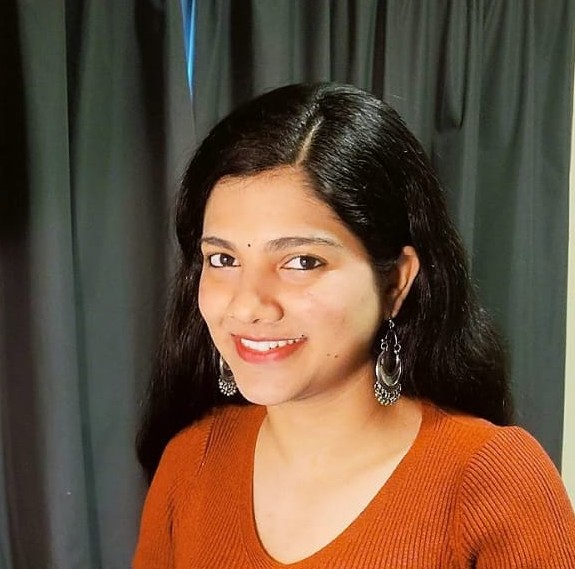
I’m Astha, a 2nd year PhD student in Astrophysics. My work involves understanding the evolution of smallest galaxies in the universe – called dwarf galaxies by working with the simulated and observational data for galaxies using state-of-the-art tools and cutting edge telescopes like James Webb Space Telescope. A part of my PhD also involves protection of dark and quiet skies.
Understanding What a PhD Really Involves
A PhD, in my experience, is not about suddenly creating something entirely new, but about slowly expanding an already existing bubble of knowledge. It is a long journey, typically lasting between 3.5 and 7 years (depending on the country) and one that requires patience, consistency, and resilience. While a PhD is often viewed as an important contribution to society, I learned early on that it is equally important for the work to genuinely interest you. A PhD is a significant investment of time and emotional energy, and without personal motivation, it can become very difficult to sustain over several years.
Starting from Your Previous Experience
Finding the right PhD project was a deeply personal process for me, and I quickly realised that there is no universal formula that works for everyone. One of the first things I reflected on was my Master’s research experience. Since I had already worked on a topic that genuinely interested me, continuing in a related area felt like a natural next step. That familiarity gave me confidence, particularly in the early stages of the application process.
However, I also realised that choosing a project simply because it felt familiar or “safe” was not enough. What mattered most was whether I could imagine engaging with the same research questions for several years. The project I eventually chose at the University of Surrey became a combination of the different topics, skills, and research experiences I had developed during my Master’s degree, rather than a direct continuation of just one piece of work.
Assessing Skills and Willingness to Learn
Another important step for me was being honest about my skills. I did not have all the expertise required at the beginning, and I quickly learned that this is completely normal. What mattered more was whether I had a basic foundation, such as coding experience and subject knowledge, and whether I was willing to actively learn what I did not yet know. Recognising that a PhD is a training process, not a test of perfection, helped me feel less intimidated and more confident in my ability to grow into the project.
Reaching Out to Supervisors
Contacting potential supervisors was one of the most intimidating parts of the process for me. However, I learned that supervisors appreciate concise, thoughtful emails that show genuine interest in their research. Reaching out early helped me understand expectations, discuss project feasibility, and assess whether our working styles would be compatible. These conversations played a crucial role in shaping my final decision and gave me valuable insight into what the project would look like in practice.
Thinking About Feasibility and Support
Feasibility was another key factor I considered carefully. I looked at whether the project could realistically be completed within the available timeframe and whether there were sufficient resources, data, and literature to support it. Just as important, and often overlooked, was emotional and academic support. Having a supportive supervisor and a positive research environment made a significant difference to how confident and secure I felt about starting the PhD.
Considering the Bigger Picture
Finally, I spent time thinking about what the project meant for my future. I reflected on whether it aligned with my long-term goals, whether in academia or industry. I also considered practical aspects, such as whether the project would require relocating to another country, frequent travel, or developing very specialised skills, and whether I felt comfortable with those commitments. Taking the time to reflect on these factors helped me choose a project that suited not only my academic interests, but also my personal circumstances and values.
Final Thoughts
Choosing a PhD project is not about finding the “best” project on paper; it is about finding the right project for you. Taking the time to reflect on your interests, skills, support systems, and future goals can make the PhD journey more fulfilling and sustainable. Looking back, this self-reflection was one of the most important steps I took before starting my PhD.
