
The first Thursday of November is World Digital Preservation Day – an opportunity to raise awareness about the need for digital preservation, and a chance to celebrate the work being done across the world to secure our digital legacy. To mark the occasion our archivist Simon Mackley has written about this year’s theme of ‘Save our Stories (SOS): Our Digital Heritage in Danger’. Read on to find out more about the threats our digital archives face – and what steps we can take to protect them.

SOS: Save our Stories! That’s the theme of this year’s World Digital Preservation Day, which is all about the dangers facing our digital heritage. After a year in which the fragility of the world’s digital systems has often been in the public eye, it is more important than ever that we take the time to reflect on how we keep our digital archives, and the stories they contain, safe and accessible for future generations.
This blog post looks at one of the tricky challenges of digital preservation – namely, the threats posed to digital heritage by inadequate data storage. Some of these are to be expected – not many people these days would rely on floppy disks to keep their data readable – but some of the risks associated with more modern cloud-based systems might be more surprising.
To preserve digital content, you need to be able access it in the first place – and if it hasn’t been stored and management correctly, you might not be able to! Like all modern archives, we have digital items that have become unreadable over time, whether through accidental damage or mechanical failure. The photographs below are all taken from our collections, and show some examples of this:
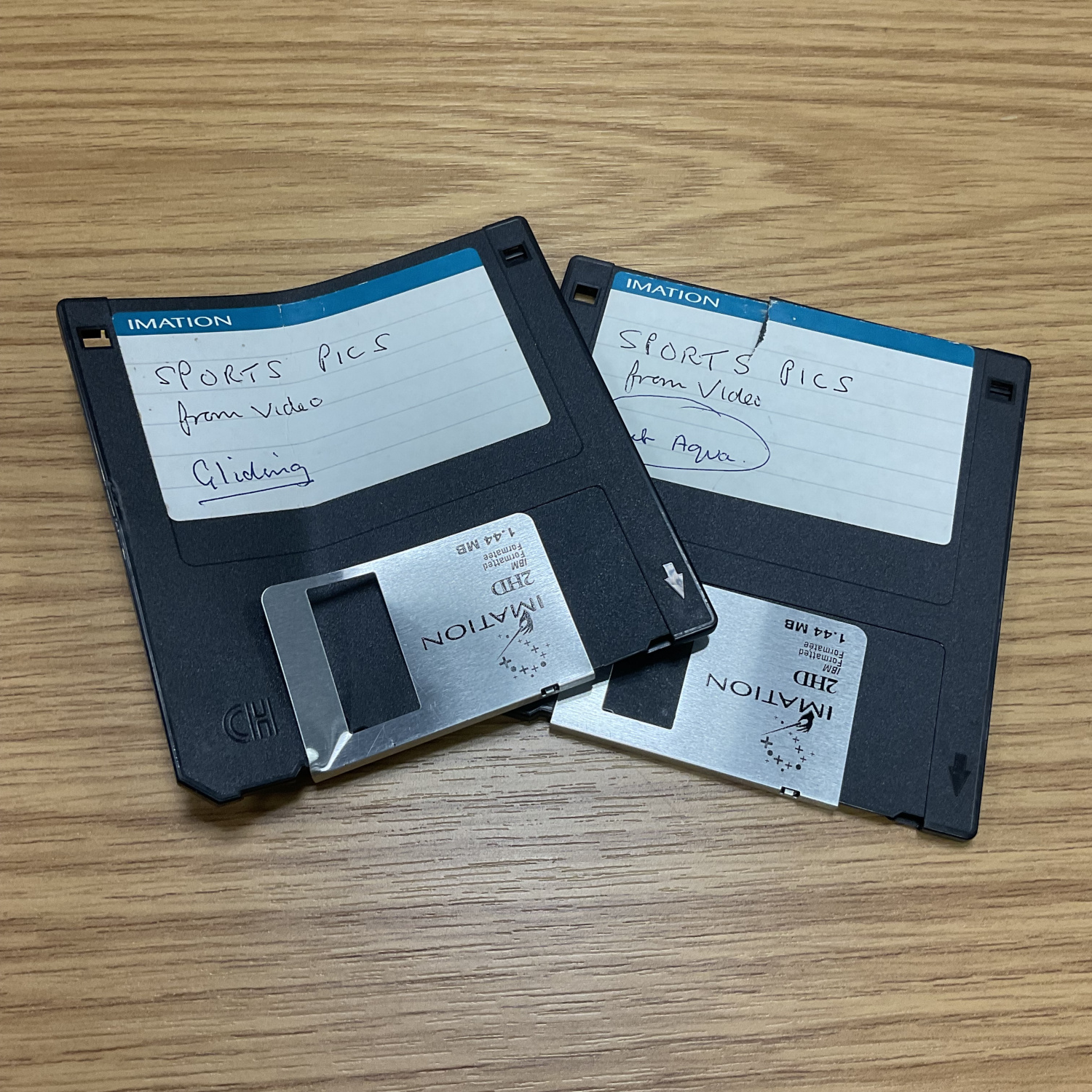
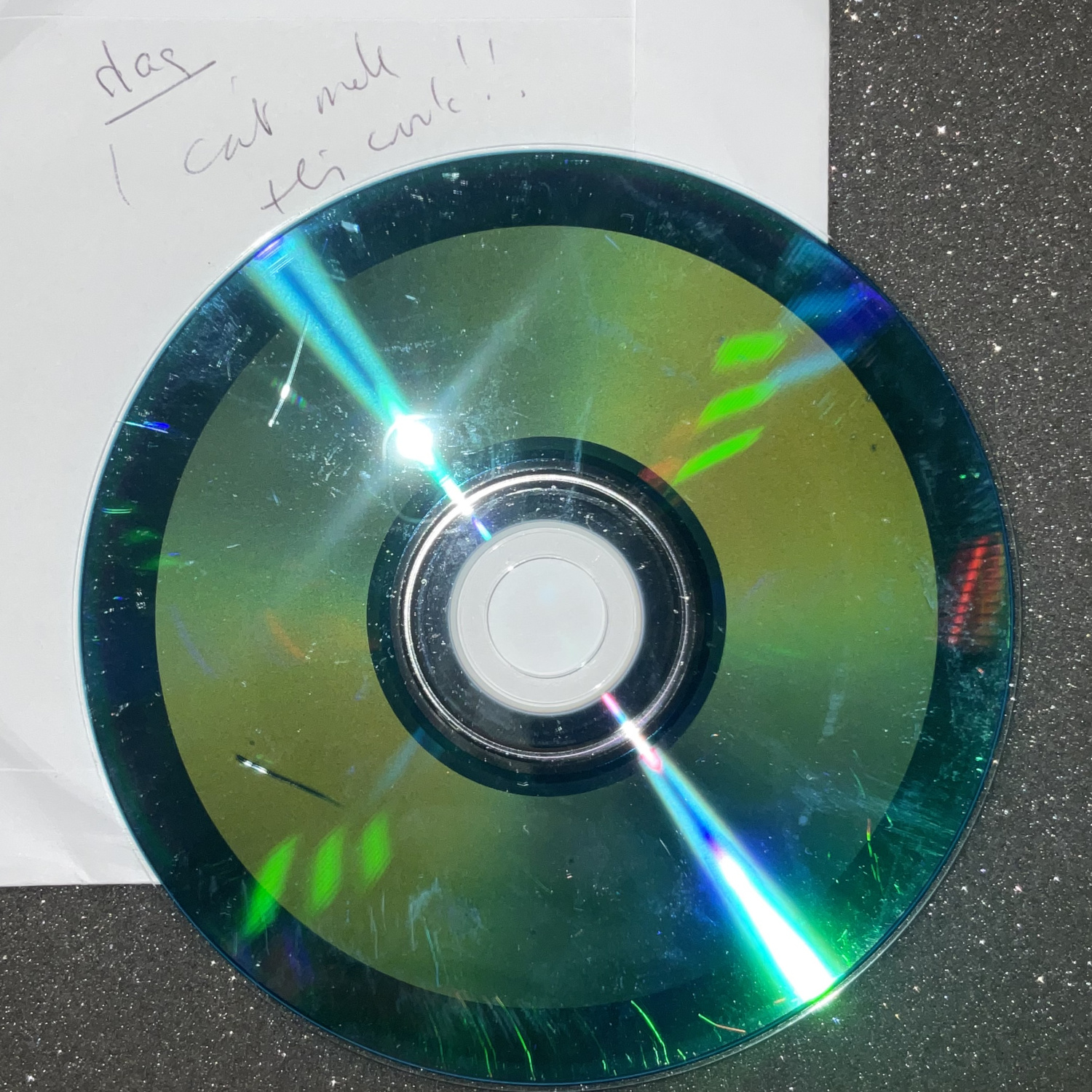
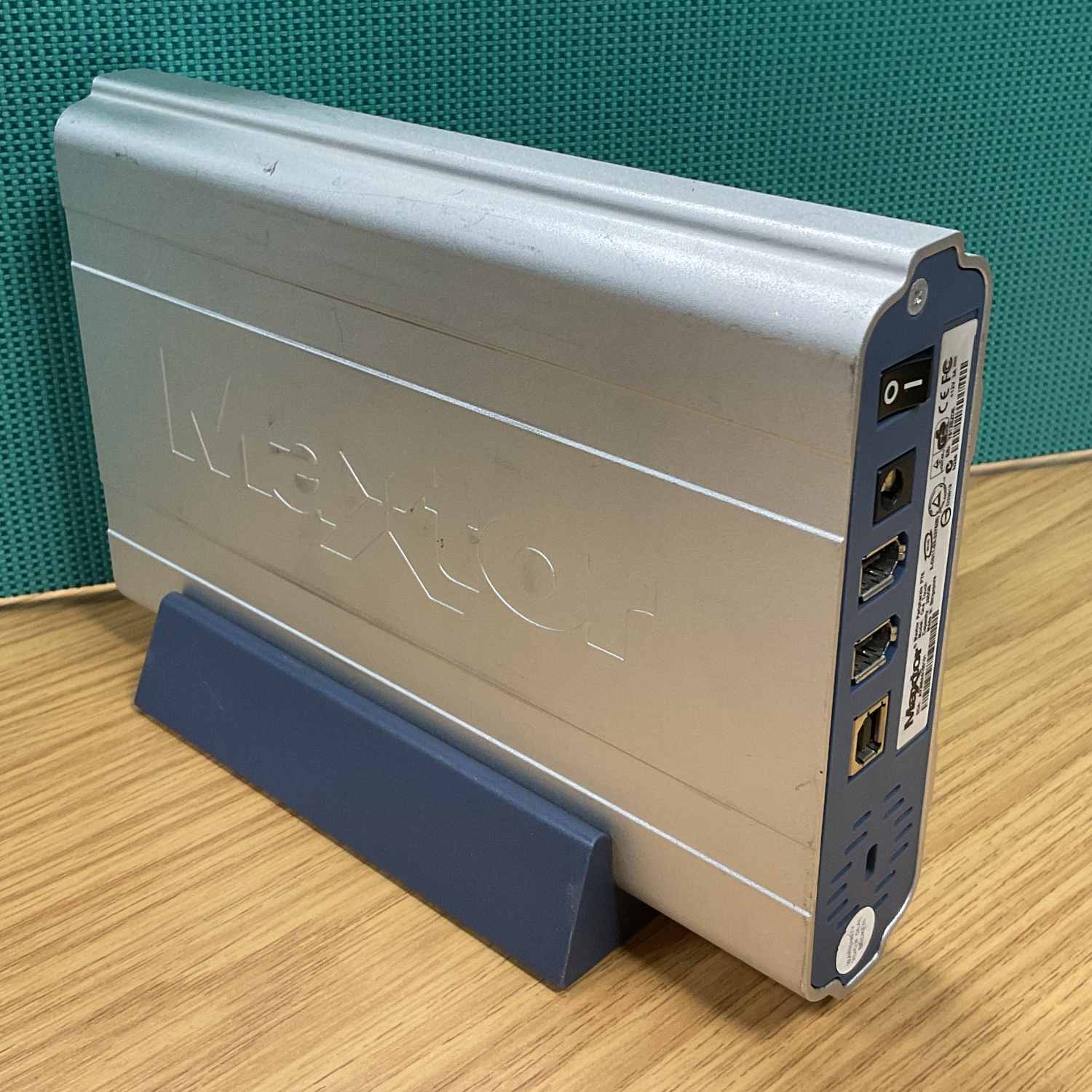
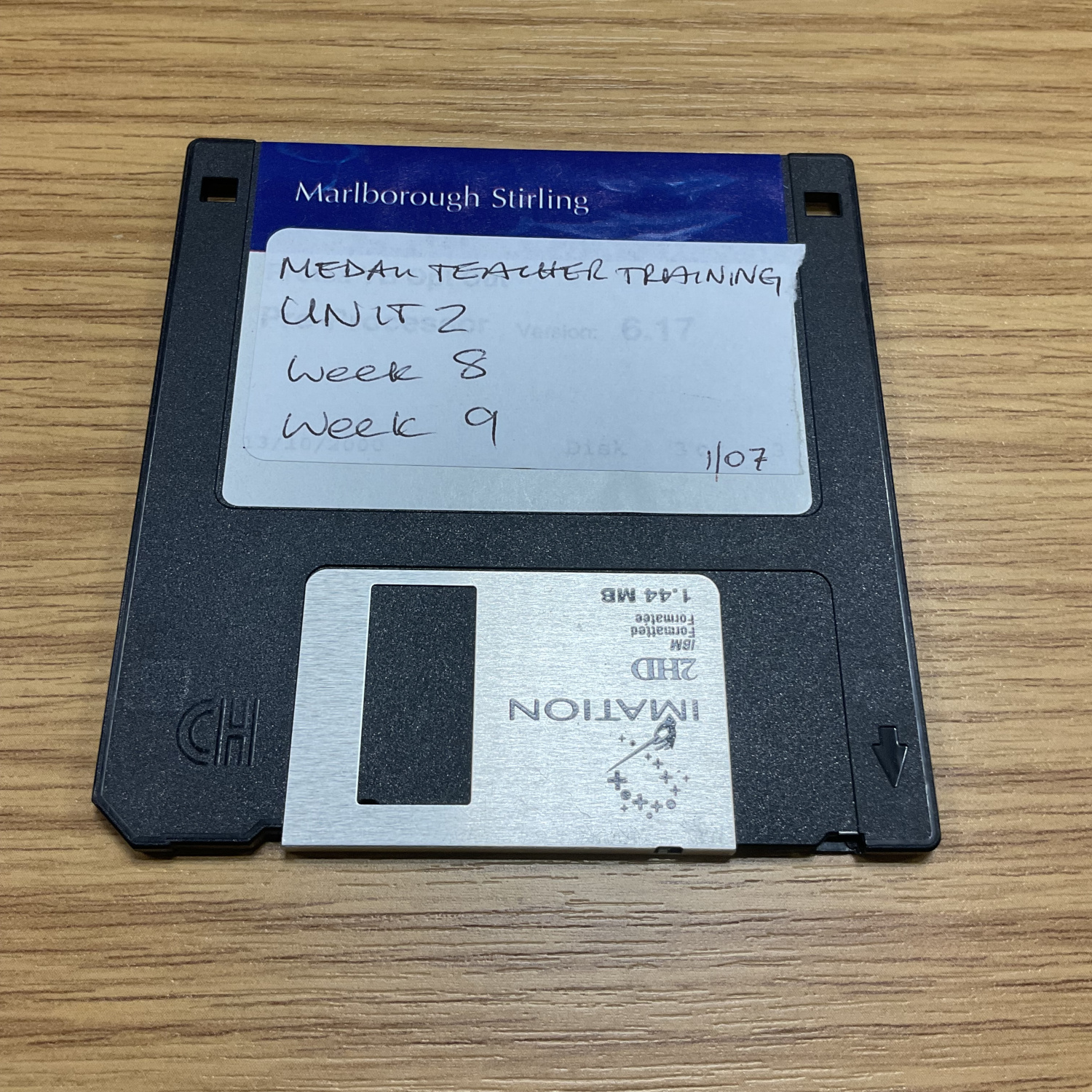
Thankfully, the vast majority of our digital holdings are in a much happier condition! But these examples all demonstrate the vulnerability of our heritage when it is stored on legacy (outdated) digital media.
So how do we keep our digital records safe? To start with, we can recognise that legacy digital media is as vulnerable as our traditional archive records – indeed, perhaps more so. We need to take steps to protect it from physical damage, and be alert to the specific risks different media face. For instance, some types of optical discs need to be protected from high temperatures and direct sunlight, as this can corrupt their data, making them unreadable.
However, this approach only gets us so far – even if you could preserve the original media perfectly, the problem very quickly becomes one of obsolescence. As a case in point, not too many years ago it was recommended that organisations protect digital archival material by storing it on specially designed gold CDs, which were intended to be more durable than regular optical discs, and would supposedly have had a lifespan of up to 100 years. Whether or not these discs would last that long soon became irrelevant however, as CD drives themselves are now rapidly becoming obsolete!
In practice, there is no single form of digital media that can reliably stand the test of the time – instead, if we want to preserve our digital heritage on legacy media formats, then our focus needs to be on transferring the data into current systems where it can be more readily managed, before the original media decays to the point of inaccessibility. Ideally, digital archives should be stored across multiple different systems and technologies – this reduces the risk of the archive copies themselves being lost due to storage failure and future obsolescence.
The challenge of digital preservation is not limited to older forms of physical media such as floppy disks, however. Digital heritage that sits on shared drives or is stored in the cloud can be just as vulnerable. If digital heritage items are stored in unmanaged spaces, it’s possible that users might accidentally modify or even delete archive material. The pace of change can be an issue here too – organisations will often move between IT systems relatively rapidly, so digital storage solutions can often be quite short-term in nature. Cloud storage can be expensive also, so there may well be pressure to delete old files without any thought of their historical value. Whereas a box of old CDs might be quietly forgotten in a cupboard for a decade before they are rediscovered and transferred to an archive, digital heritage on the cloud could easily become lost forever if it is not managed properly.
Even when data is migrated between systems, care has to be taken that it doesn’t become modified in the process. For instance, when I started this job a few years ago I was surprised to discover that if certain types of file are uploaded to Microsoft SharePoint, their data is automatically modified! In the example shown in the table below, for instance, the checksum value – the unique ‘digital fingerprint’ of a file – has been changed for all Microsoft Office file formats after being copied from a local drive into a SharePoint library.
| File | Original Checksum | Checksum on SharePoint |
|---|---|---|
| Document1.docx | 418c3fe6cb10e1523859c4ca65c8219f | 41b19488231ba183c7cd6839eef00292 |
| Document2.odt | 9896198c65f1cd53e14d0ee14d1a1d00 | 9896198c65f1cd53e14d0ee14d1a1d00 |
| Document3.pdf | 89c1b4628fb57293d2d8c86b35943318 | 89c1b4628fb57293d2d8c86b35943318 |
| Email1.eml | 6be62e70b7e21c9e6f3a929c1317483f | 6be62e70b7e21c9e6f3a929c1317483f |
| Email2.msg | 0b10d192e6819597f0e635b6170fe0a7 | 593cda0718ba40b5456cfd541b62a1ce |
| Image.jpeg | a5b68396258cb18080607e98dbf37891 | a5b68396258cb18080607e98dbf37891 |
| spreadsheet1.xlsx | 7c77698bb4a6fecd89f987bb6eb6db66 | 12adca0fa1f8fe042bf5992f80e3a980 |
| spreadsheet2.ods | 9a12bc4198fff2c321cf6e61bb1a3169 | 9a12bc4198fff2c321cf6e61bb1a3169 |
In normal day-to-day office use, this wouldn’t be an issue – but in digital preservation, we use these checksums to prove that the files we give researchers are the unmodified originals, so it’s essential that our storage systems aren’t modifying the data without our knowledge!
There is always the danger with any remote storage that the risks to data go unappreciated: a box of bent and broken floppy disks is very visibly a preservation concern, but with data on the cloud it can all too easily become a case of ‘out of sight, out of mind’ – and underlying problems may go undetected. The rules for physical storage media therefore apply to shared drives and cloud-based systems also: identify the risks, and never rely on just one system or provider but instead backup your data in multiple systems, so that it can be restored if it becomes lost or modified.
Preserving digital content is rarely straightforward – and the issues discussed in this blog post are only some of the risks that need to be navigated. Nonetheless, even simple steps to help protect our data can go a long way, so long as we keep the following guidelines in mind:
- To preserve digital heritage, you need to actively manage it. The pace of technological change and short lifespans of storage media means that the survival of digital content cannot be left to chance. Steps need to be taken early on to make sure that digital heritage is kept protected and accessible – if left to chance, the odds are that it won’t survive.
- Don’t rely on any one format or system. There is no ‘magic bullet’ for digital preservation – every form of digital storage has its risks and drawbacks, and all technology eventually becomes obsolete. The best way to mitigate the risk is by storing multiple copies of digital heritage across different storage media and systems, so that your data is not left vulnerable to any one specific risk of storage failure.
- Plan for preservation! Managing digital heritage can be challenging – but it gets a whole lot easier if we plan for preservation from the outset. This is particularly important at the start of a new heritage project, such as an oral history project. Identifying what risks might threaten the long-term survival of our data means that we can take the necessary steps early on to ensure that our digital heritage is protected.
By following these guidelines, we can all help preserve our digital heritage, and ensure that our digital stories stay protected and accessible for years to come.
Interested in finding out more? Visit the Digital Preservation Coalition website for further information and resources. You can also read our previous blog posts for World Digital Preservation Day.
