Lewis
Mechanical Engineering
Nanyang Technological University (NTU)
Studying Additive Manufacturing in Singapore
During the summer, I travelled to Singapore to study 3D Printing and Additive Manufacturing at Nanyang Technological University (NTU). This was my second summer studying abroad. I chose Singapore partly because I had met some amazing Singaporean friends during my first international study experience. However, wherever you choose to go and whatever you decide to study, you are likely to meet people with whom you quickly connect.
Adjusting to Student Life
One of the most surprising differences was the lack of a proper kitchen in the student accommodation. Surrey’s halls are self-catered, and even when I studied at Linköping University in Sweden, I had access to a shared kitchen.
In Singapore, student life is less focused on cooking and instead you would eat out for most meals. Many of the halls have their own canteens, while students can also eat at larger food courts such as the North Spine Food Court
This encourages you to try foods you would not normally choose at home. However, after several weeks, even the wide selection available can begin to feel familiar.

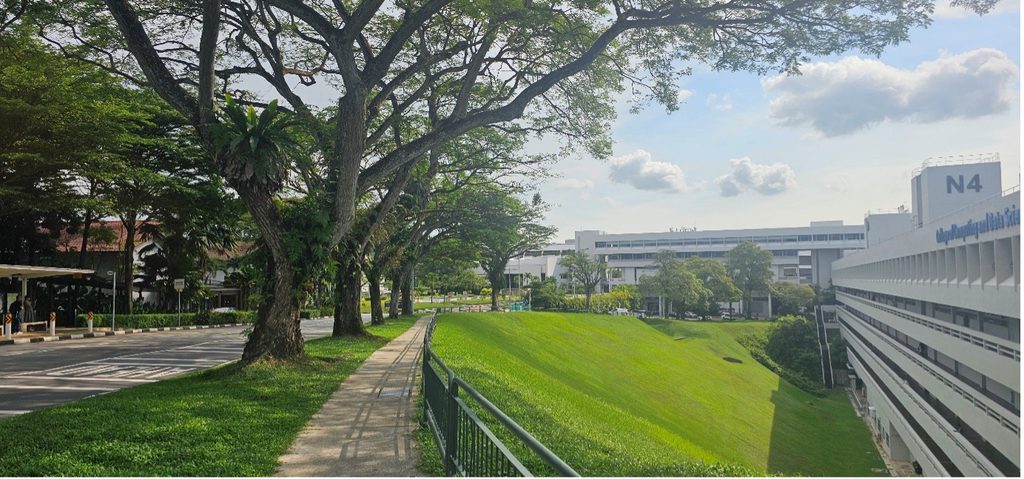
The climate was another noticeable adjustment. Singapore is consistently hot and humid, and sudden heavy rain can catch you off guard. Fortunately, most university buildings are air-conditioned, and NTU has buses that make travelling around its large campus easier. Singapore also has many covered walkways, which help a lot in the sun and rain when you are caught out short.
Studying at NTU
My course covered 3D Printing and Additive Manufacturing. It was accessible to students who had little previous experience, but it moved quickly enough to remain interesting for those already familiar with the technology. As a Mechanical Engineering student with an existing interest in 3D Printing, I enjoyed developing my understanding of the different processes, materials, and potential applications.
I would recommend thinking carefully about what you want to gain from the experience before selecting a course. The summer course does not contribute towards your final Surrey degree grade, so you do not necessarily have to choose a subject directly related to your degree.
For example, one of my friends had a great time learning to paint with watercolours. The language courses also appeared to be broader than I expected, with students taking part in additional cultural activities alongside their classroom learning. From what I saw, these looked like a particularly enjoyable way to learn about Singapore and its diverse communities.
Weekend Trips
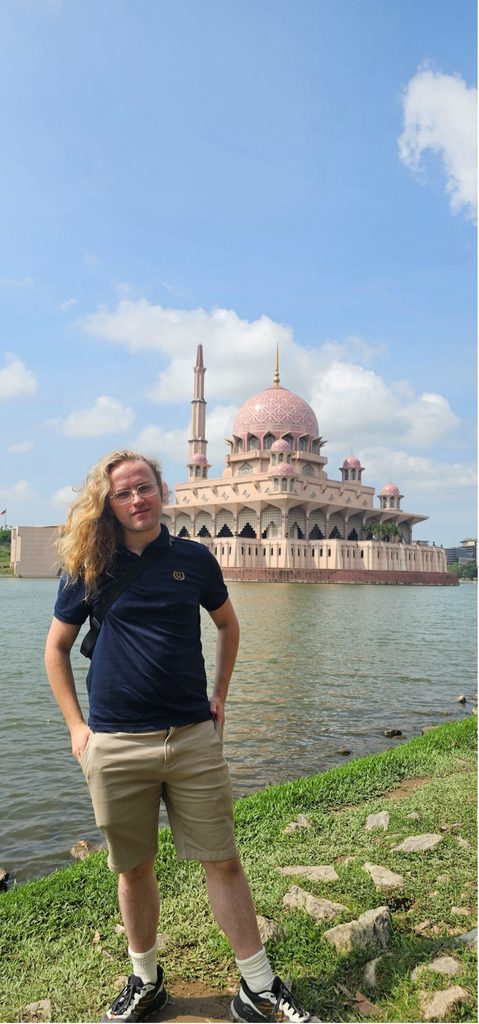
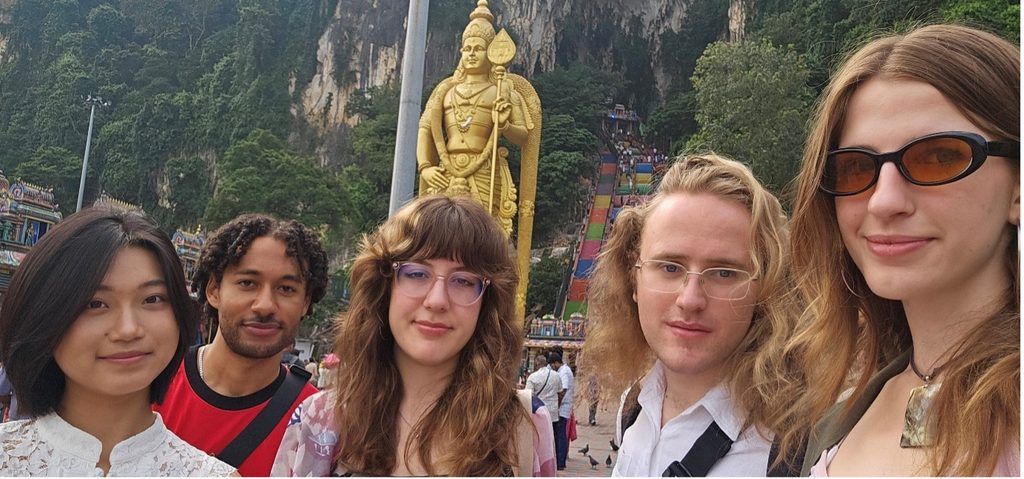
One of the highlights of my summer was spending a weekend in Kuala Lumpur. We travelled there by coach after our lectures, which took around six hours. Flying is also an option, although travelling by coach allowed us to see more of the journey between Singapore and Malaysia.
The morning after arriving, we began exploring the city. We visited the historic Central Market, several temples, and more modern landmarks, including the Petronas Twin Towers. Kuala Lumpur felt very different from Singapore, despite the two cities being relatively close together, and the weekend gave us the opportunity to experience another part of Southeast Asia.
Alternatively, if you prefer day trips instead, you can:
- Go on a bike ride around the island
- Go to the beach at Sentosa Island
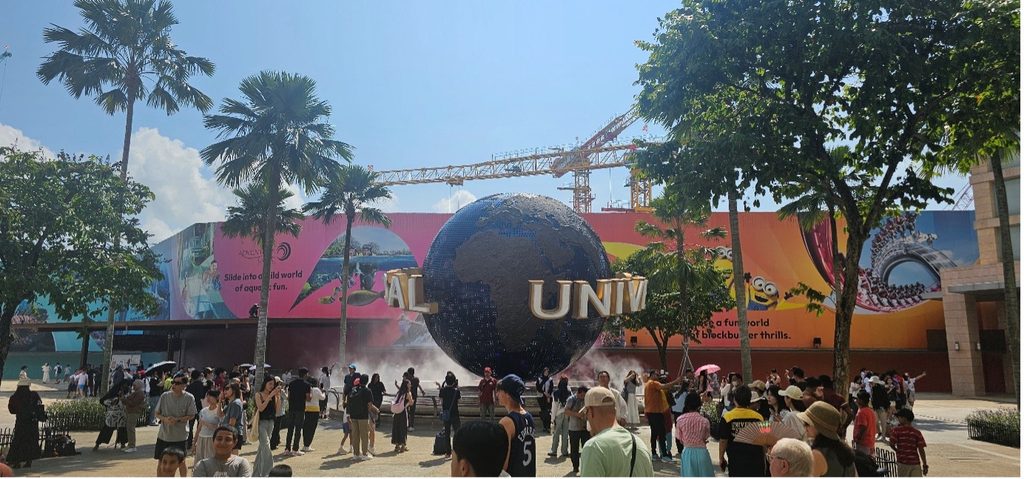
- Visit Universal Studios
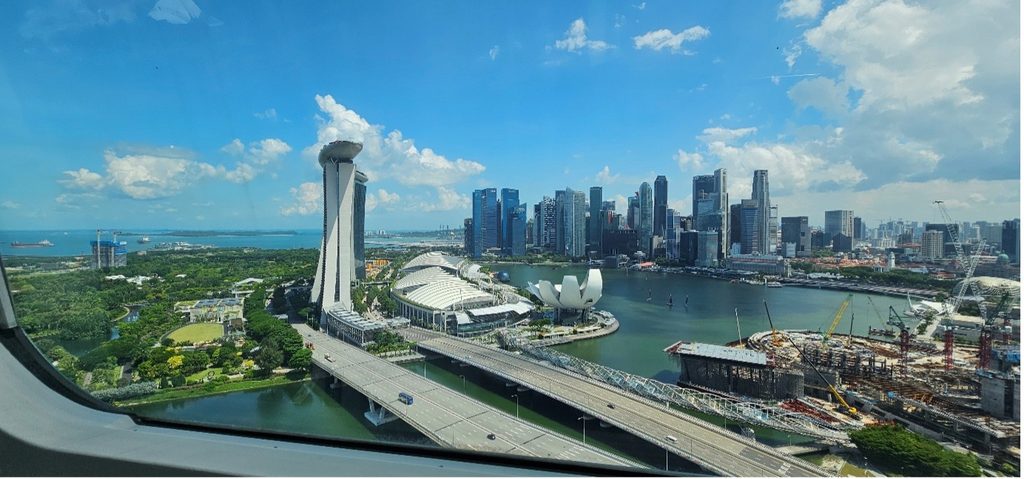
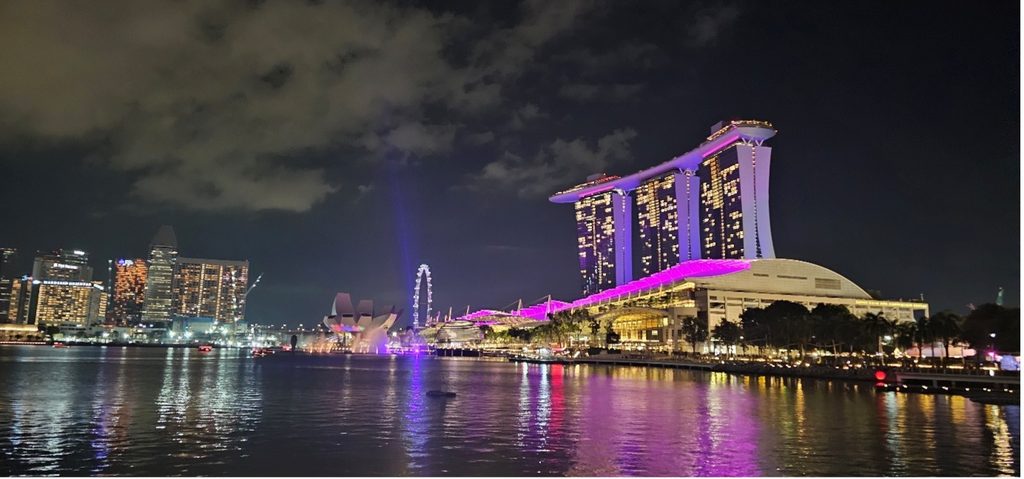
- Head to Marina Bay area
- Visit the zoo and night safari
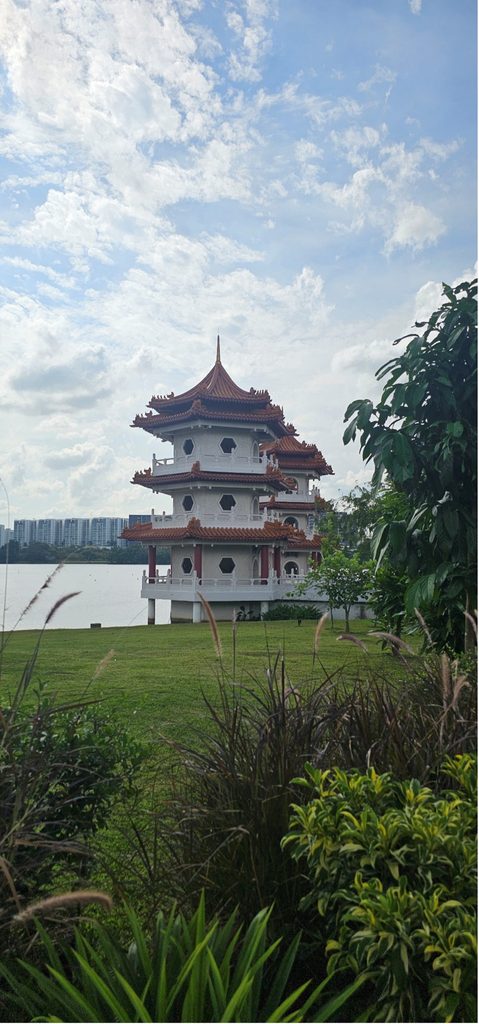
- Visit the Chinese Gardens
- Pop over to Johor Bahru
- Look around the botanic gardens
- Go to the nature reserve on Pulau Ubin
Making the Most of the Experience
Some students kept traveling around Singapore and other parts of Asia after finishing their courses, which I would recommend if you have the time and the opportunity. Singapore is well connected to neighbouring countries, making it a useful starting point for exploring the region. If you are comfortable being away from home and do not have commitments requiring you to return quickly, this may be one of your best opportunities to travel around Southeast Asia.
Studying abroad is about more than the course itself, it gives you the chance to experience a different culture, meet people from around the world and become more confident travelling independently.
My advice is to take full advantage of the opportunity. Try unfamiliar food, explore beyond the university campus, and consider visiting somewhere further afield. The experience can pass very quickly, so make the most of it while you are there.