
Dhuha
Nutrition & Dietetics BSc (Hons)
Kanagawa University
Hi! My name is Dhuha, and I’m a third-year Nutrition and Dietetics student. I took part in the study abroad programme at Kanagawa University, where I studied Japanese language and culture. One of my favourite parts of the experience was staying with a Japanese host family and getting a glimpse of what everyday life in Japan is really like!
I stayed with a mum and daughter. The daughter spoke good English, while her mum spoke very little, so it was a great opportunity to practise communicating across language barriers.
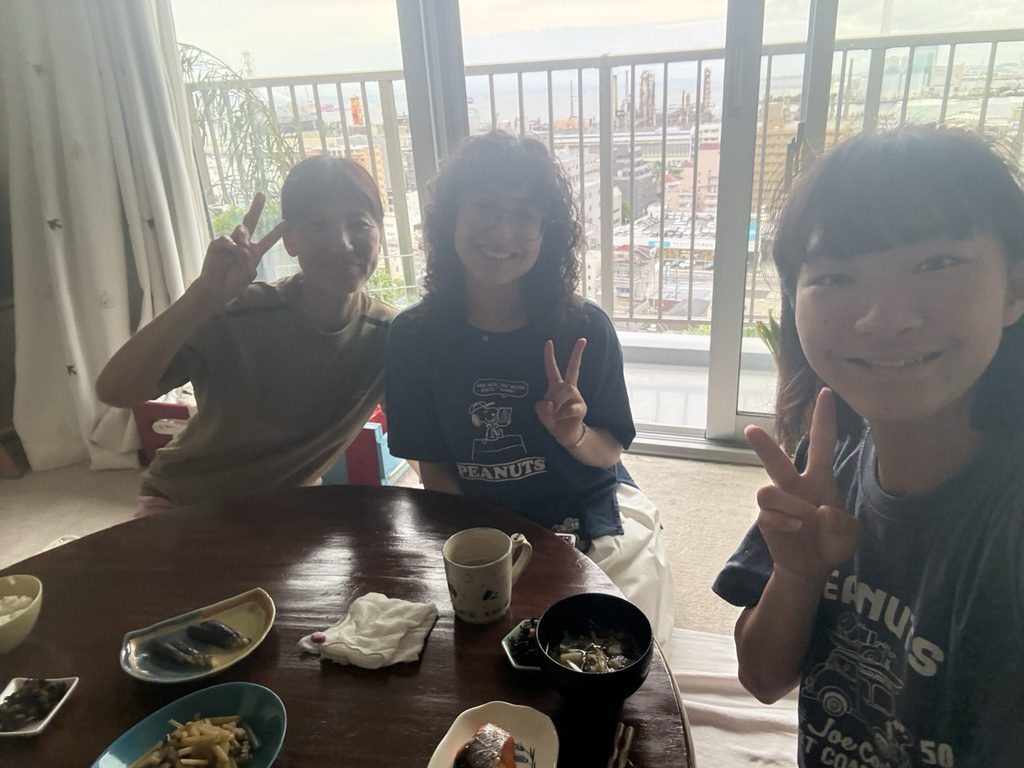
My journey to university took around an hour by train, followed by a walk up an extremely tall & steep hill to get home! I’d definitely recommend checking your commute and routes beforehand, so you know what to expect. Living with a host family was a great way to learn about local lifestyles, especially what it’s like being a student and a working woman in Japan.
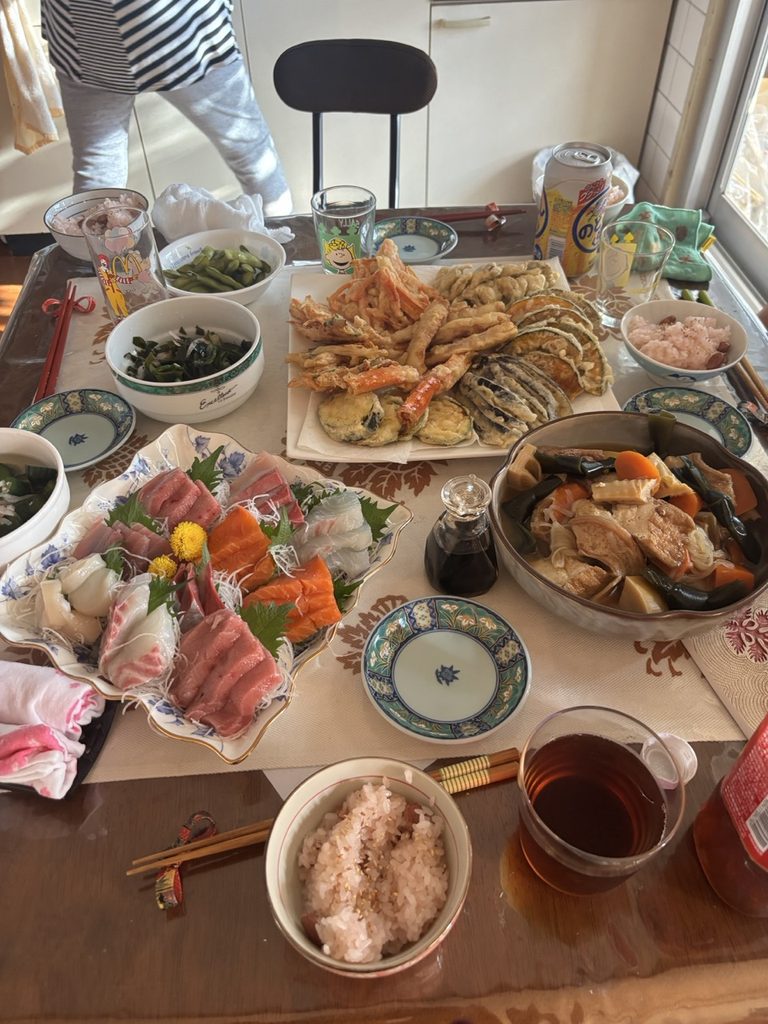

I also got to enjoy proper home-cooked Japanese breakfasts and dinners, trying lots of dishes I’d never had before. One of my favourite memories was spending an evening with their grandma and watching a firework festival from her rooftop.
It was such a lovely experience! I also had plenty of time to explore Yokohama, from its waterfront to its shopping areas, so there was always something to do.
If you’re planning to do a homestay, I’d recommend bringing a small gift for your host family. It could be something from the UK or something that represents your own heritage. It’s a thoughtful way to introduce yourself and share a little bit of your culture with them. I’d also encourage you to speak Japanese as much as possible, even if you’re not confident yet. It’s a great chance to practise what you’ve learnt in real-life situations!
One important thing I learnt was how important communication is. Make sure you keep in regular contact with your host family and the programme organisers, especially if you have any problems.
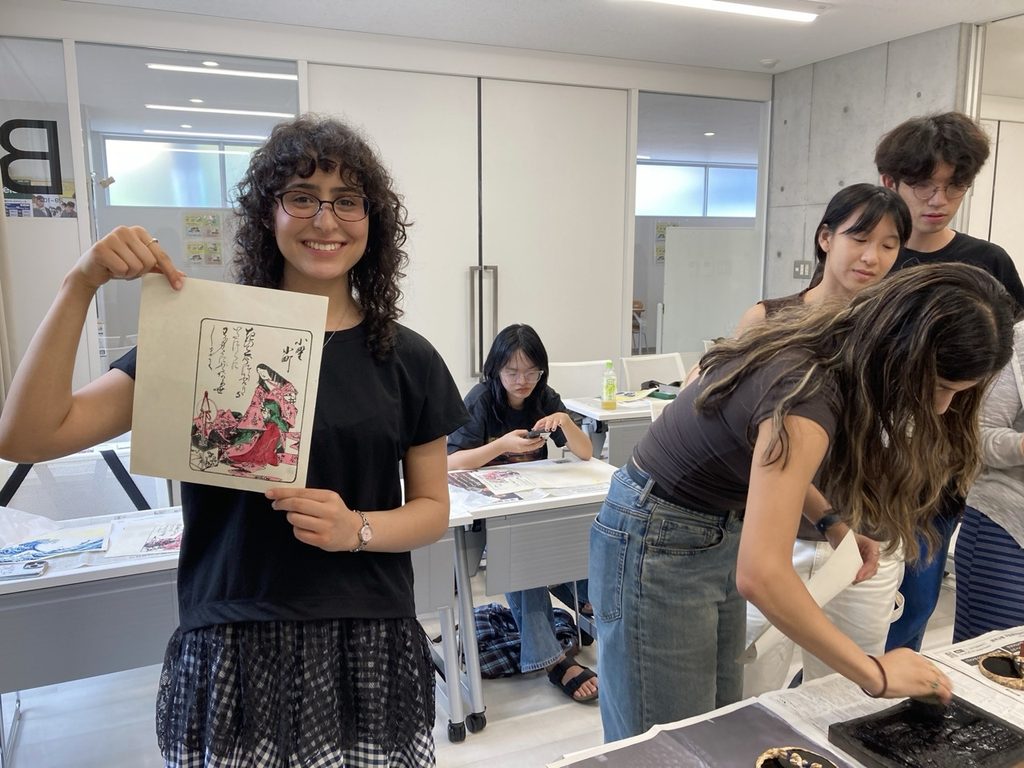
Miscommunication can happen quite easily when there are language barriers, so try to be patient, understanding and open-minded. Remember, you’re representing both your university and your own culture, so always be respectful and considerate.
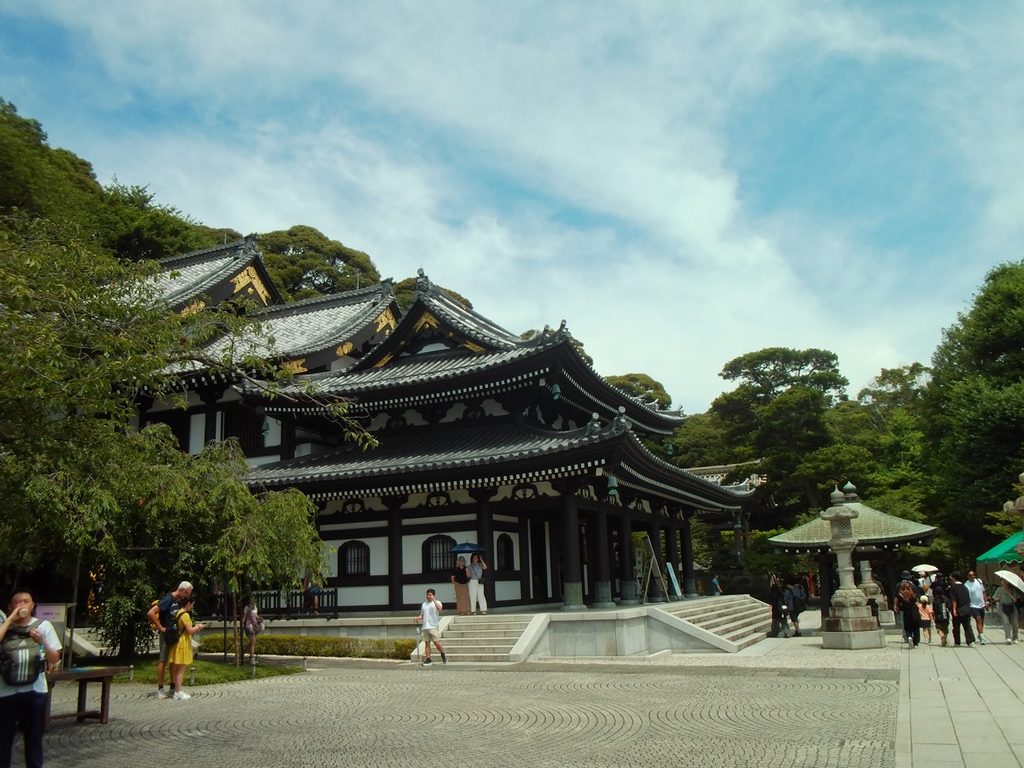
Overall, my homestay was such a rewarding experience and gave me a much better understanding of Japanese culture beyond the classroom. My biggest advice is to embrace the experience, try new things and make the most of the opportunity. You might feel out of your comfort zone at first, but that’s often where the best memories are made!
